

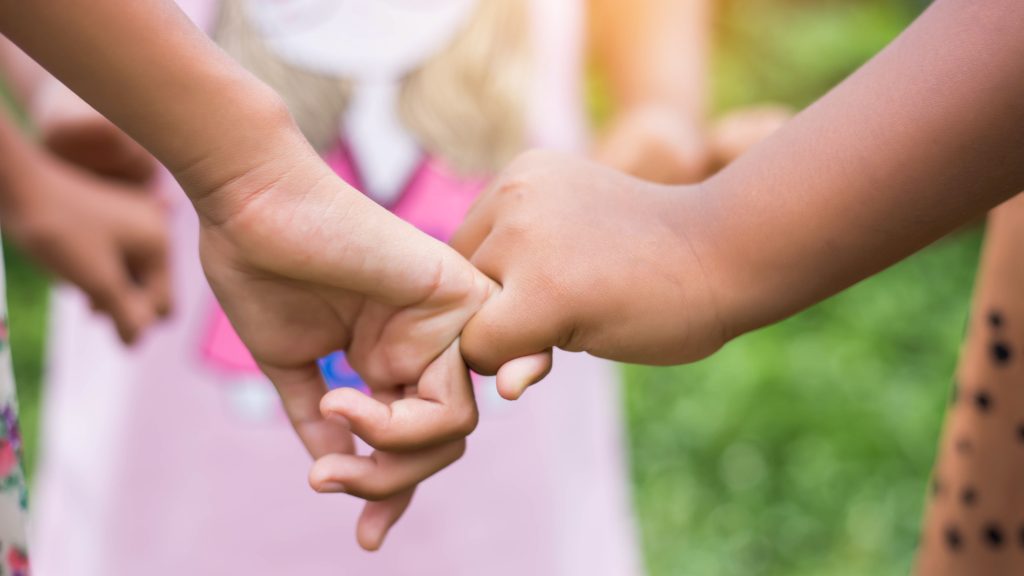
Social-emotional learning (SEL) for preschoolers is the process that supports young children in developing skills in self-awareness, self-management, social awareness, relationships and responsible choices. It influences early behaviour, peer play and daily language. Programs often utilise picture books, role play and feelings charts.
Research connects SEL to improved school readiness, fewer behavioural problems and more resilient friendship cradles by age five.
Key Takeaways
- Social-emotional learning (SEL) helps children develop emotional awareness, empathy, and self-regulation.
- Early SEL skills support better relationships, classroom behaviour, and long-term success.
- Preschoolers learn best through play and guided social interactions.
- Natural settings, group learning, and daily routines all support emotional development.
- What is social-emotional learning?
Why SEL matters now
SEL lays the groundwork for how children think, feel and behave in social contexts. In preschool, it connects the experience of daily routines with longer-term returns to health, learning and wellbeing.
SEL skills fuel school readiness and subsequent achievement. Children able to name their feelings, wait their turn, and ask for help settle faster into group play and early reading tasks. Big reviews find that pupils in SEL programs achieve better test results, with average increases of 11 percentile points.
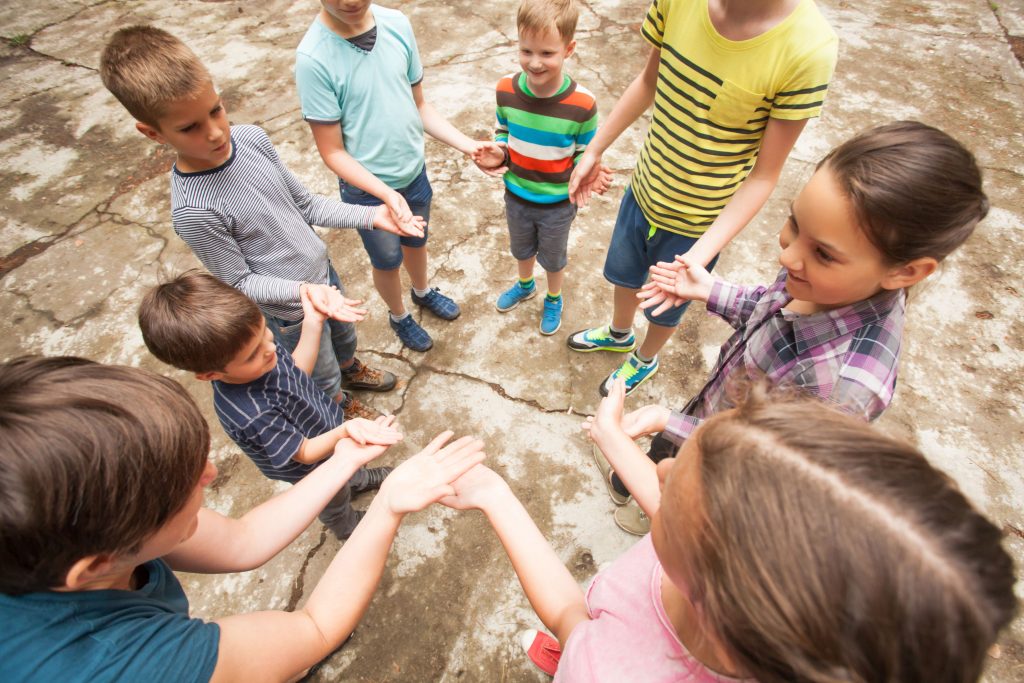
Hundreds of trials involving more than 1 million students globally report lasting academic advantage years afterwards. These wins translate into adult skills, such as problem solving, collaboration and effective communication.
In preschool, short daily practices such as feelings check-ins, calm corners, and simple breathing help children manage big feelings, minimise outbursts, and develop coping habits before patterns set in.
SEL fortifies connection and social sensibility
Young children learn trust when adults name emotions, model repair after conflict and maintain routines. This enables them to participate in group time, share resources and respond to simple instructions such as pack-up and line-up.
Simple scripts – “Stop, name, ask, plan” – provide structure for role play conflicts. Visual schedules and role-play prepare them for changes, such as a relief teacher or a new room. These little, constant cues calm stress and raise attention.
Benefits of SEL across development:
| Area | What improves | How it shows in preschool |
| Self-awareness | Emotion words, body cues | “I feel sad; I need a hug.” |
| Self-regulation | Impulse control, calm skills | Waits turn; uses belly breaths |
| Social skills | Empathy, turn-taking | Shares blocks; invites peers |
| Routines | Flex to change, follow steps | Moves from play to pack-up |
| Learning | Focus, task hold | Stays with puzzles, stories |
The power of play-based learning
Play-based learning plays a vital role in fostering social-emotional growth in early childhood. Through play, children naturally explore emotions, build relationships, and develop essential life skills like self-regulation and empathy.
Whether they’re engaging in imaginative play, collaborating on a shared activity, or resolving small disagreements with peers, these experiences teach children how to understand themselves and others in meaningful ways.
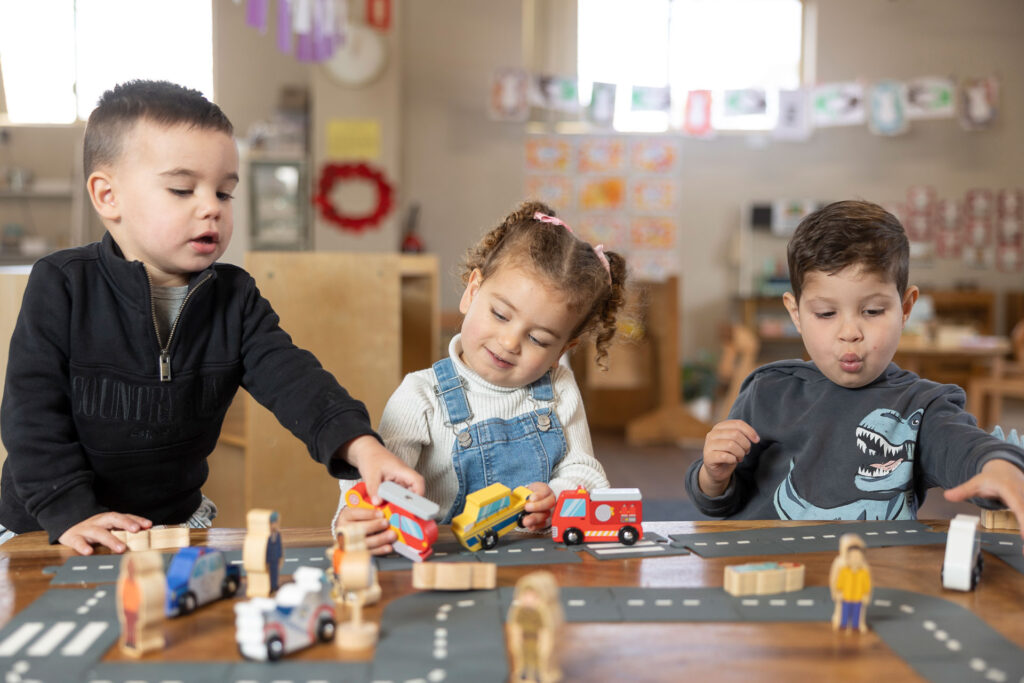
Play connects learning with emotional awareness
As children experiment, negotiate, and express creativity, they learn to manage frustration, share success, and recognise the impact of their actions on others. This process strengthens both emotional intelligence and cognitive development, preparing them for future challenges at school and beyond.
At its core, play-based learning helps children grow into confident, caring individuals who can communicate effectively, work collaboratively, and adapt to different social situations. These are all key outcomes of strong social-emotional learning.
School Readiness Through SEL
Students who receive quality social-emotional learning (SEL) instruction show measurable improvements in both academic performance and classroom behaviour. Research shows that Year 1 students taught these skills experience fewer behavioural challenges and demonstrate higher reading achievement.
The connection between emotional intelligence and academic growth becomes especially clear when children with stronger emotional skills show greater confidence in their learning and are more persistent when facing difficulties.
This foundation is particularly important during the transition to formal schooling, where children must manage new social dynamics while engaging with structured academic content.
The long-term benefits of early SEL go far beyond the classroom. Across cultural and community settings, students who participate in comprehensive SEL programs show lasting improvements such as:
- Stronger social and emotional skills
- Reduced levels of depression and anxiety
- Lower rates of antisocial behaviours and bullying
- Increased empathy and better relationship-building abilities
For families in Ashcroft, these outcomes highlight the value of introducing SEL early in a child’s life. Preschool SEL creates a strong base not only for school readiness but also for emotional resilience, personal growth and future community involvement.
How We Support Social-Emotional Learning at St Anthony’s in Ashcroft
We’ve spent over 30 years here at St Anthony’s Early Learning Centre nurturing children aged 0 to 6 through every stage of their development, including social-emotional learning (SEL).
As a family-owned centre, we hold family values at the core of everything we do. These values naturally support empathy, relationship-building, and emotional understanding, which are the foundation of effective SEL.
Our preschool and school readiness programs blend traditional approaches with modern practices to help children develop the social and emotional tools they’ll need in the next stages of their education and in life.
We’re proud to have an “Exceeding” rating under the National Quality Standard, which recognises our commitment to providing high-quality education that supports the whole child, including the emotional and social growth that is vital to long-term success.
Conclusion
Social-emotional learning builds more than emotional awareness. It shapes how young children relate to others, respond to challenges, and grow into resilient learners and caring individuals. By encouraging SEL from the early years, families and educators help children develop the emotional tools they need to thrive in school, relationships, and life beyond the classroom.
Frequently Asked Questions
SEL in early childhood is the process of helping children understand their emotions, develop empathy, manage behaviours, and build positive relationships.
It helps young children learn to work with others, solve problems calmly, and express feelings in healthy ways, all of which are essential for school readiness and lifelong success.
Through play, children naturally explore emotions, practise sharing and negotiation, and learn how to cooperate with others, making play a powerful tool for developing social-emotional skills.
Simple activities like naming emotions, reading stories about feelings, modelling calm behaviour, and encouraging cooperative play can support SEL development at home.