

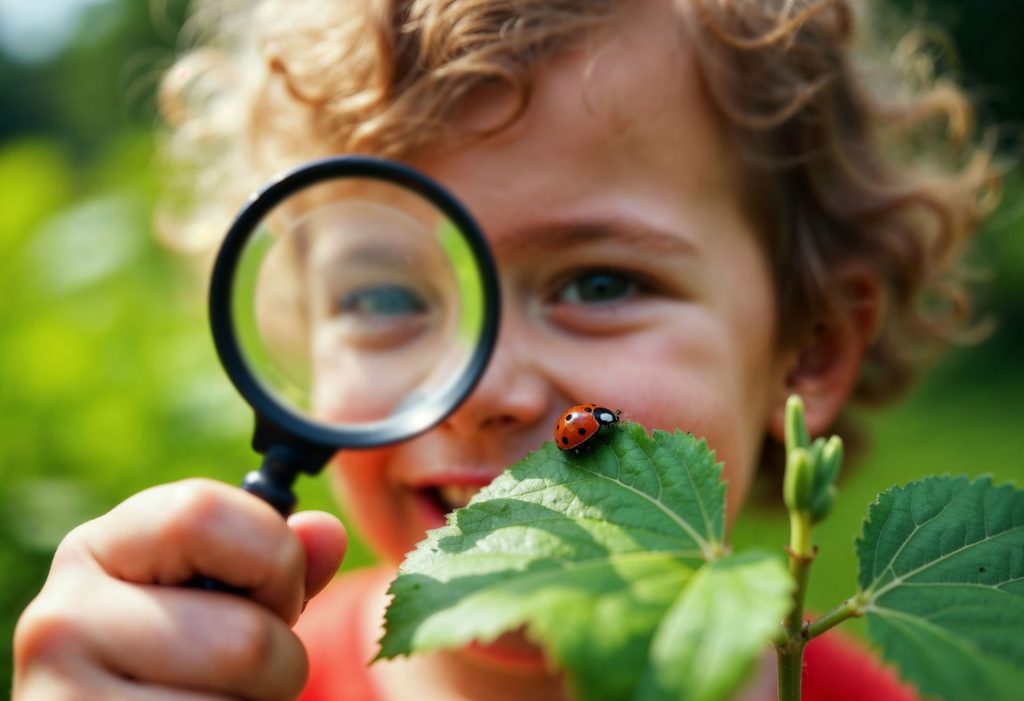
While play-based learning is a core part of our philosophy at St Anthony’s, STEM brings a unique focus on scientific exploration, problem-solving and 21st century thinking skills.
STEM education in early childhood goes far beyond traditional concepts of science and math, instead focusing on nurturing young children’s natural curiosity and problem-solving abilities through play-based learning experiences that transform everyday activities into rich learning opportunities.
For Liverpool and Ashcroft area families, these early STEM experiences, from kitchen chemistry experiments to outdoor nature exploration, build critical thinking skills, creativity, and confidence while preparing preschoolers with essential 21st century abilities they’ll need regardless of their future career paths.
Key Takeaways
- STEM in early childhood builds 21st-century thinking skills through play.
- Everyday tasks at home can be turned into science and engineering lessons.
- Outdoor exploration in Liverpool offers real-world scientific discovery.
- STEM isn’t just for future tech careers — it benefits all children.
- St Anthony’s uses hands-on, play-based learning to spark curiosity.
Natural Scientists at Play
Young children are natural-born scientists who learn through experimentation, observation, and discovery, making the preschool years the perfect time to formalize these innate tendencies through structured STEM activities.
Liverpool area preschoolers demonstrate sophisticated scientific thinking when they build towers with blocks to test stability, mix colours during art time to observe chemical changes, or collect leaves to classify by shape and size. These everyday activities mirror the dual-space search process that cognitive scientists recognize as fundamental to scientific reasoning, where children simultaneously explore their external environment while building internal knowledge structures.
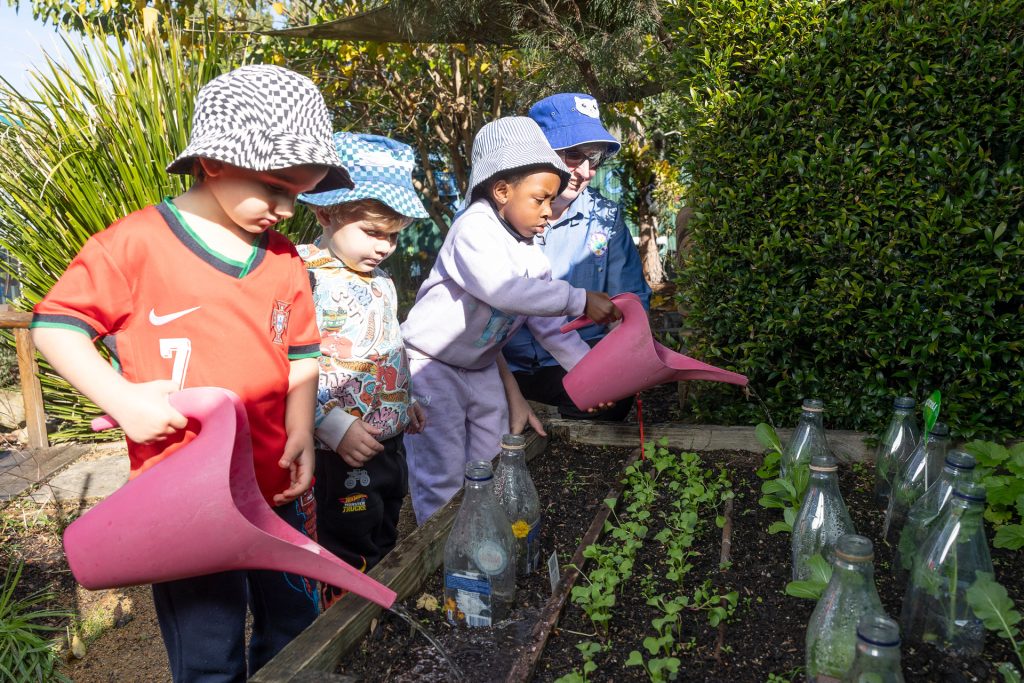
Unlike traditional educational approaches that compartmentalize learning, effective early STEM programs recognize that children naturally multitask between academic exploration and playful discovery. When preschoolers engage in hands-on experiments, whether growing bean sprouts, creating simple machines with cardboard and tape, or coding basic sequences with programmable toys, they develop the same hypothesis-generation and testing skills that professional researchers use.
This approach capitalizes on children’s inherent ability to make “powerful generalizations from sparse data,” transforming simple play scenarios into rich learning laboratories where future engineers, doctors, and innovators begin their scientific journey.
Beyond Tech Career Preparation
While career preparation remains an important outcome, STEM education for Liverpool preschoolers serves a much broader purpose by developing essential life skills that benefit all children regardless of their future career paths.
According to the Australian Department of Education, STEM education fosters critical thinking, creativity, problem-solving abilities, and collaboration skills that children need to navigate an increasingly complex world. These “21st century skills” enable young learners to evaluate information, understand data, and develop solutions to everyday problems they’ll encounter throughout their lives, from managing personal finances to making informed decisions about health and technology.
The cross-disciplinary nature of early STEM learning particularly benefits children by:
- Building digital literacy essential for functioning in modern society, where over 75% of Australian teachers already incorporate technology into classroom activities
- Developing analytical thinking that helps children become responsible consumers of information in an era of rapid technological change
- Strengthening communication and teamwork abilities through collaborative problem-solving projects
- Fostering cultural awareness and adaptability as children learn to approach challenges from multiple perspectives
This comprehensive approach ensures that all Liverpool area children, whether they become artists, teachers, tradespeople, or entrepreneurs, possess the foundational thinking skills necessary to thrive in Australia’s evolving social and economic landscape.
Local Liverpool STEM Environments
The Liverpool area’s diverse natural and urban environments offer exceptional outdoor learning laboratories where preschoolers can engage in authentic scientific inquiry and data collection. Local gardens, parks, and educational spaces provide rich ecosystems for children to study minibeasts, plant life cycles, and environmental patterns through hands-on observation and experimentation.
These natural settings enable young scientists to collect real data about different species, sort organisms by characteristics like number of legs or wing types, and test hypotheses about habitat preferences, transforming everyday outdoor exploration into rigorous scientific methodology.
| Environment Type | STEM Learning Opportunities |
| Garden Spaces | Experimental trials testing growing conditions, seed germination studies, soil composition analysis |
| Native Wildlife Areas | Bug hotel construction, minibeast classification, habitat observation and documentation |
| Water Features | Evaporation experiments on hot surfaces, flow dynamics with natural materials, temperature variation studies |
| Urban Landscapes | Engineering challenges using found materials, measurement activities with natural objects, pattern recognition in architecture |
The seasonal changes throughout Liverpool’s climate create dynamic learning opportunities that align with natural curiosity patterns, allowing educators to capitalize on springtime growth cycles, summer evaporation rates, and seasonal animal behaviors.
For more ideas on family-friendly outings that spark early learning, see our guide to fun preschooler activities near Ashcroft and Liverpool.
Everyday STEM at Home
Parents can seamlessly transform everyday household routines into engaging STEM learning experiences using common items already available in their homes. Cooking sessions become chemistry lessons as children observe baking soda and vinegar reactions, measure ingredients to understand fractions, and witness temperature changes during the cooking process.
Everyday spaces like the kitchen and bathroom can become natural laboratories where preschoolers explore science, testing which objects float or sink in the bathtub, making homemade lava lamps with oil and food colouring, or building marble runs from cardboard tubes and tape.
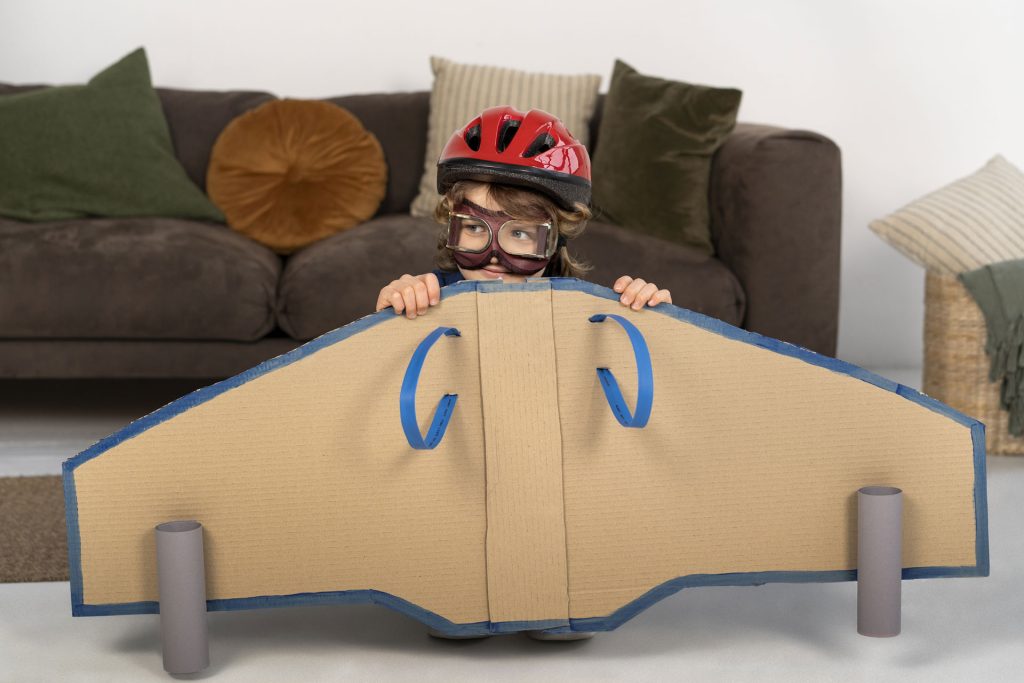
Daily activities offer countless opportunities for disguised learning that makes STEM education feel like natural play rather than formal instruction. Simple household challenges can become engineering projects, organizing toys more efficiently, calculating water conservation from a dripping faucet, or building towers with marshmallows and toothpicks to explore structural balance.
Parents can incorporate technology through child-friendly coding games, encourage mathematical thinking during grocery shopping trips, and turn shadow tracing outdoors into lessons about light and sun movement.
The key lies in following children’s natural interests and creating safe spaces for experimentation where questions, mistakes, and discoveries drive the learning process without requiring expensive materials or structured lesson plans.
Curious about how we blend creativity and play in early learning? Learn more about our play-based approach here.
St Anthony’s STEM Approach
At St Anthony’s Early Learning Centre in Ashcroft, we proudly support families across the Liverpool area through engaging, play-based STEM learning designed for children aged 0 to 6. Located at 174 Elizabeth Drive, our centre provides a nurturing environment where children are encouraged to explore, experiment and develop critical thinking skills through their natural curiosity.
Our sustainable practices and natural play spaces give children meaningful opportunities to observe, question and collect data. These experiences build a foundation that continues at home. We believe STEM is more than just science or maths. It’s about helping children understand the world around them through play.
As your child grows with us, they bring home problem-solving ideas, early maths thinking and a love for asking questions. These skills become part of everyday family life. With more than 30 years of early learning experience, we support parents in continuing that journey beyond the classroom. Our play-based approach makes learning joyful and helps children build strong skills for the future while having fun every step of the way.
Want to see how your child can explore STEM through play?
Come visit St Anthony’s Early Learning Centre in Ashcroft and experience our learning spaces in person. Book a tour today. We’d love to welcome you and your child.
Conclusion
At St Anthony’s, we believe that early STEM learning isn’t about pushing children into rigid academic paths — it’s about inviting them to explore the world with wonder, creativity and curiosity. Through guided play, open-ended questions, and hands-on experiences, we help children form connections that build real-life problem-solving skills.
Families across Liverpool and Ashcroft can feel confident knowing their child is developing strong foundations in thinking, questioning and collaborating. From the garden to the classroom to the kitchen bench at home, STEM is everywhere — and we’re here to nurture it from the very beginning.
Frequently Asked Questions (FAQ)
What age does St Anthony’s start introducing STEM learning?
STEM exploration begins from infancy, with age-appropriate activities woven into our program for children aged 0–6.
Is STEM learning only for kids interested in science or technology?
Not at all. STEM builds skills like curiosity, problem-solving and teamwork that benefit every child, no matter their future interests.
Do you need special equipment to support STEM learning at home?
No. Simple materials like kitchen items, cardboard, and nature walks provide rich learning opportunities.
How is STEM different from traditional learning?
Rather than teaching facts, STEM focuses on hands-on discovery and learning through play, helping children think like scientists from the start.